+977-9845709925
 +91-8373993923
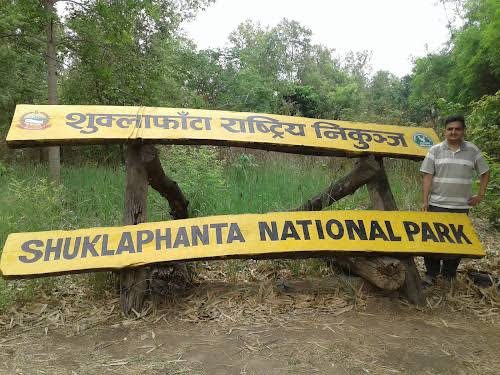
Tucked into the far southwestern corner of Nepal, hard against the Indian border in Kanchanpur district, Shuklaphanta National Park is the country's best-kept wildlife secret. While Chitwan and Bardiya get the tour buses, Shuklaphanta keeps its grasslands quiet — which is exactly why the wildlife here is so relaxed, and so visible.
We run jeep safaris into this park almost every week from our Mahendranagar office, so this guide is built from what actually happens on the ground, not a brochure.
Why Shuklaphanta Is Different
Shuklaphanta protects roughly 305 square kilometres of open phanta (grassland), Sal forest and wetland. It holds the largest population of swamp deer (barasingha) in Asia — herds of 2,000 or more move across the open grassland at dusk, which is a sight you simply do not get in Nepal's more famous parks. Add growing populations of Royal Bengal tigers, greater one-horned rhinos (translocated from Chitwan and thriving), Nepal's only significant blackbuck population, and more than 400 recorded bird species, and you have a park that rewards patience with genuinely rare sightings.
Best Time to Visit
October to March is the safari season. Grass is cut back after the monsoon so visibility across the phantas is excellent, mornings are cool, and deer herds gather in the open in large numbers. April and May bring intense heat but the best tiger sightings, as animals concentrate around remaining waterholes. The park closes to safaris during the monsoon (roughly June–September) when trails flood and grass grows too tall for good sightings.
Jeep Safari vs. Machan (Watchtower) Safari
Most visitors do a half-day or full-day jeep safari, which covers the most ground and gives you the best chance of a big-cat sighting along the forest edges. A machan safari — sitting quietly at an elevated watchtower near a waterhole at dawn or dusk — is slower but often gives closer, calmer views of swamp deer, rhino and birdlife without the engine noise. If you have two days, we recommend one of each.
Getting There From Mahendranagar
This is Shuklaphanta's biggest practical advantage: it is genuinely close. The park's main entry points are roughly 20–25 km from Mahendranagar town, about 30–40 minutes by road. If you are flying in, Dhangadhi Airport is about 1.5–2 hours away by private vehicle. We arrange pick-up from either point directly to your lodge or resort near the park.
Permits and Entry
Foreign nationals, SAARC nationals and Nepali citizens each pay a different park entry fee, plus a separate vehicle and guide fee. We handle all of this as part of our safari packages — you don't need to queue at the counter yourself. A licensed naturalist guide is compulsory inside the park, which is a good thing: our guides know exactly where the herds have been moving that week.
What to Pack
- Neutral-coloured clothing (avoid bright colours and white)
- A hat, sunscreen and sunglasses for open-grassland glare
- Binoculars if you have them — we carry a few spares
- A light jacket for early-morning safaris, even in the dry season
- Fully charged camera/phone; there are long stretches without signal inside the park
Where to Stay
Accommodation near Shuklaphanta ranges from simple lodges to jungle-facing resorts just outside the buffer zone. We usually pair the safari with a night at a resort so you can catch both a sunset and sunrise game drive without a long commute.
Combine It With
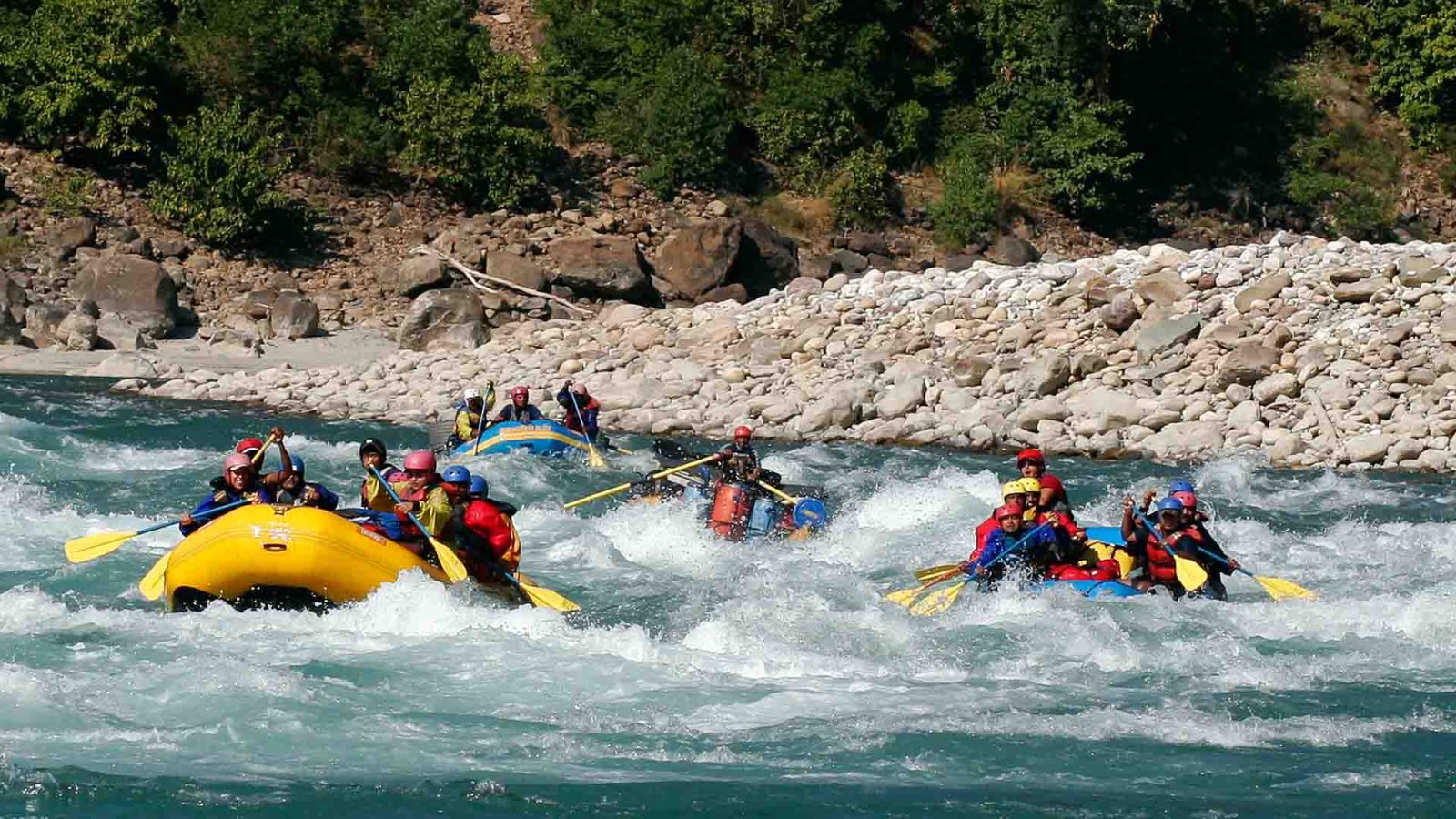
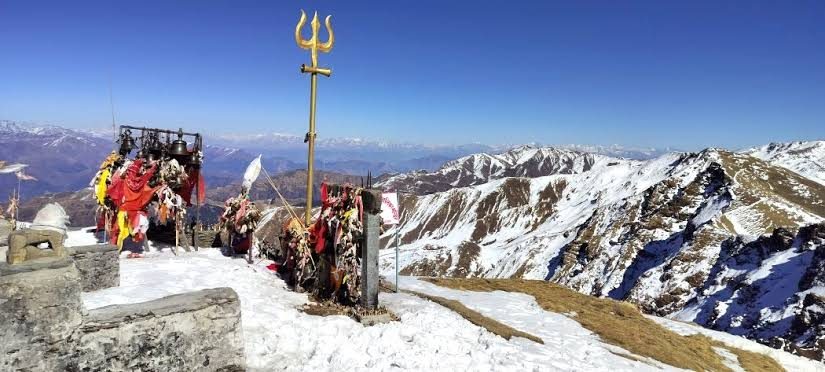
Because Shuklaphanta sits so close to Mahendranagar, it pairs naturally with a Mahakali river rafting day, a Dodhara-Chandani suspension bridge visit, or as the first stop on a longer Far-West circuit that continues to Khaptad or the Api Himal base camp trek.
Ready to plan your safari? Our Shuklaphanta Jeep Safari package includes park transfers, accommodation, meals, guide and entry fees — or message us on WhatsApp and we'll build a custom itinerary around your dates.