+977-9845709925
 +91-8373993923
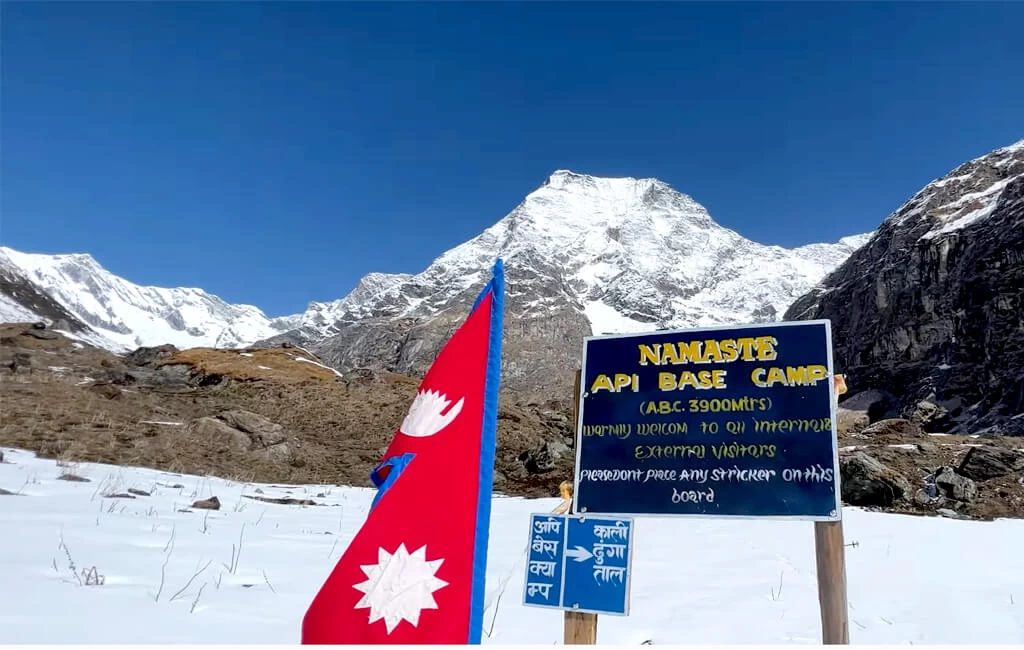
Api Himal (7,132m) is the highest peak in Nepal's Far-West and one of the least-visited base camp treks in the entire Himalaya. On our last trip, we saw more Himalayan tahr than trekkers in five days on the trail. If you want the reward of a Himalayan base camp without the crowds of Everest or Annapurna, this is it.
The Route at a Glance
Our standard itinerary runs 8 nights / 9 days from Dhangadhi/Mahendranagar and back, following this line:
- Day 1: Drive to Latinath via Gokuleshwor (approx. 335 km, 11–12 hours)
- Day 2: Latinath → Makarigadh → Nali (trekking begins)
- Day 3: Nali → Simar / Chirchire
- Day 4: Simar → Dhauli Odar (near Api Base Camp)
- Day 5: Full-day exploration — Api Base Camp, Kali Dhunga Lake, Ringde Pani Lake
- Day 6–7: Descend via Khaikot to Makarigadh/Ghusha
- Day 8–9: Return by jeep to Dhangadhi/Mahendranagar
How Hard Is It?
This is a moderate-to-challenging trek. Base camp sits around 3,850m, so altitude is a real factor — we build in an exploration day at altitude for acclimatisation, and no single day involves technical climbing. What makes it demanding is remoteness: trail conditions vary year to year, accommodation is a mix of teahouse, homestay and camping, and rescue logistics take longer than on the main trekking routes. We do not recommend this as a first-ever trek, but reasonably fit trekkers with some multi-day hiking experience handle it well.
Best Season
March–June and September–November. Spring brings rhododendron blooms lower down; autumn gives the clearest views of the Api-Nampa massif. Winter access is difficult due to snow on the higher sections, and monsoon trails are slippery and leech-prone.
Highlights Along the Way
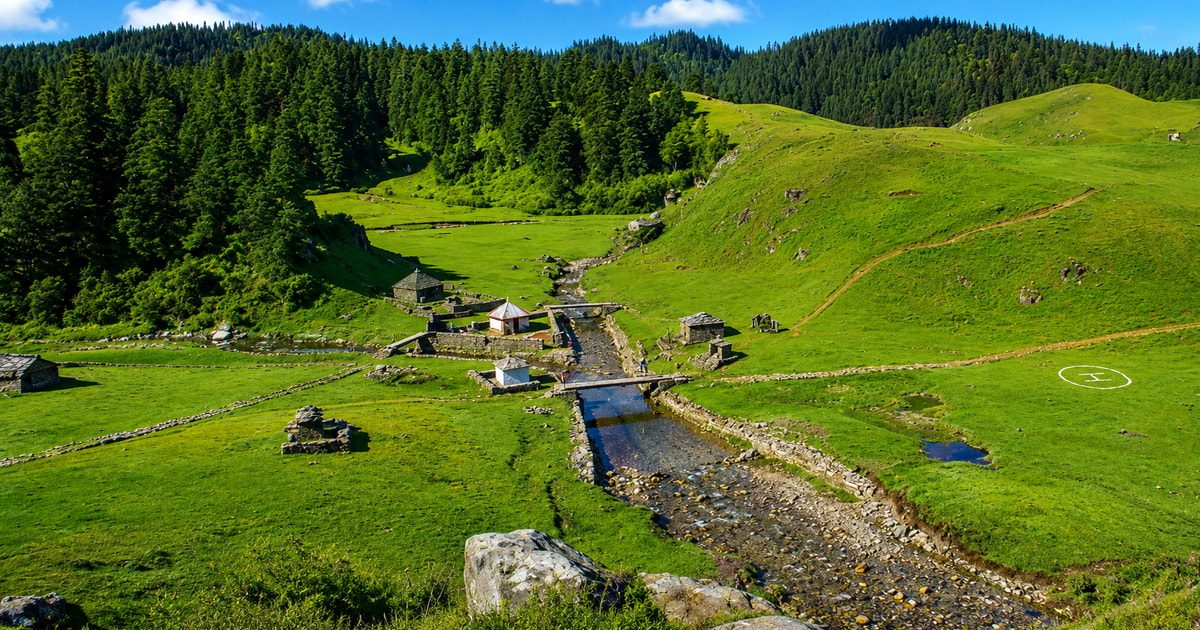
Beyond the base camp view of Api Himal itself, the trek passes Kali Dhunga Lake and Ringde Pani Lake — both sapphire-blue alpine lakes that see a fraction of the visitors that Gokyo or the Annapurna lakes do — and Chamelia Khani, a highland pasture used by local herders in summer.
Permits & Guide
The Api Nampa Conservation Area permit is required and is arranged as part of our package. A licensed guide and, for most groups, a porter (roughly one porter per two trekkers) are strongly recommended given the trail's remoteness — we include both.
What to Pack
- A warm sleeping bag rated for sub-zero nights at altitude
- Windproof/waterproof outer layers and a good trekking pant
- Broken-in trekking boots — this is not a trek to test new footwear
- Headlamp, trekking poles, water purification tablets or a filter
- A small medical kit and any personal medication
- Travel/medical insurance that covers high-altitude trekking and evacuation — this is not optional here
Extra Costs to Plan For
Bad weather, landslides or a flight/road cancellation beyond our control can add a day or two — build slack into your return travel dates. Our standard terms are 30% advance to confirm a booking, balance before departure, with a 30% cancellation charge if you pull out close to the date.
See the full Api Himal Base Camp Trek itinerary and pricing, or message us if you want a shorter or extended version of this route.